
A budget safari Kenya Tanzania quote usually leaves out park fees, visas and the second vehicle you need after the border. The Masai Mara fee also doubles every July, from $100 to $200 a day, so the same trip costs far more after 30 June. I rebuilt the numbers from current tariffs and operator listings. A two-country trip still works from about $1,700 per person, land only.
Prices checked 11 October 2026. Park authorities revise fees, so confirm them on the official sites linked below before you pay.
This guide completes our Africa series, after the Egypt budget travel guide and the Morocco budget travel guide. Still choosing a destination? Start with our ranking of the cheapest countries to travel in Africa.
What a budget safari in Kenya and Tanzania costs in 2026
In safari terms, budget means a shared 4×4, camping or simple tented camps, and two or three parks. It never means $50 a day. A daily budget that goes far in Thailand will not cover safari park fees, which alone run roughly $59 to $200 per person per day.
| Safari style | Cost per person per day | What you get |
|---|---|---|
| Budget | $150–$350 | Group-joining or shared 4×4, camping or basic tented camps, park fees included |
| Mid-range | $400–$800 | Lodges, small groups or a private vehicle |
| Luxury | $700–$1,500+ | Private guide, premium camps, light-aircraft transfers |
These figures are land-only, so they exclude international flights. One 2026 comparison puts Kenya at about $300 a day and Tanzania at $350 for budget trips. Treat that gap with caution, because the Masai Mara’s July–December entry fee costs more per day than the Serengeti’s.
2026 park fees: the numbers that set your budget
Park fees are fixed and charged per 24 hours. These are the 2026 rates for non-resident adults.
| Park | Country | Fee per adult per day | Extra costs |
|---|---|---|---|
| Masai Mara National Reserve | Kenya | $100 (Jan–Jun), $200 (Jul–Dec) | Camping $30 public or $40 private per night |
| Amboseli National Park | Kenya | $90 | Premium KWS park |
| Lake Nakuru National Park | Kenya | $90 | Premium KWS park |
| Nairobi National Park | Kenya | $80 | Day-trip option from the capital |
| Serengeti National Park | Tanzania | $82.60 including VAT | About $70.80 per night concession fee if you sleep in a lodge or camp inside |
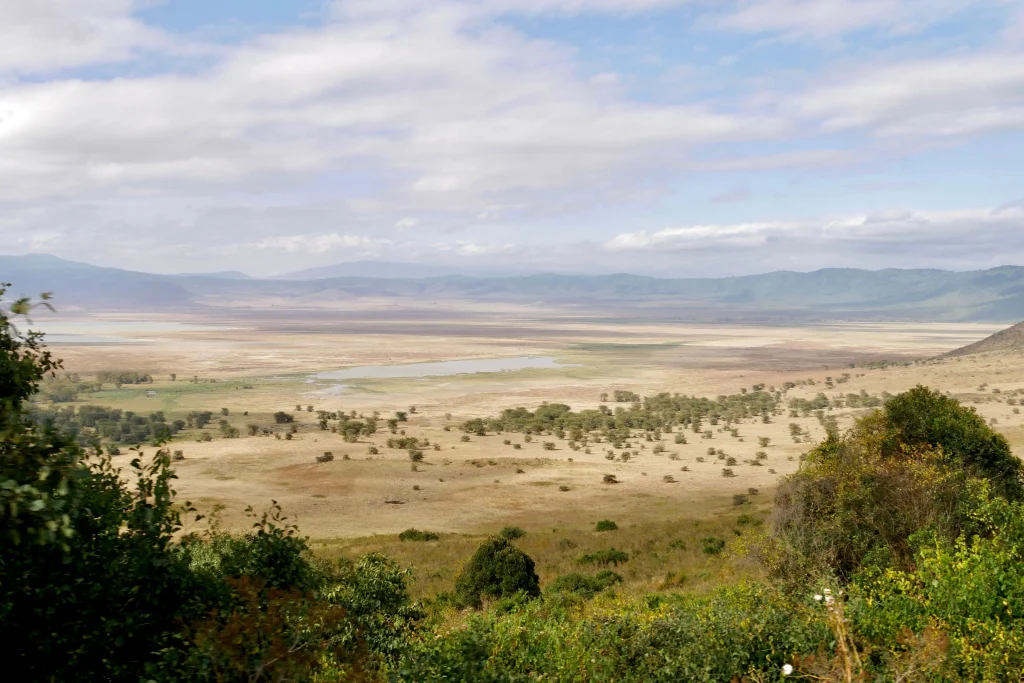
| Ngorongoro Conservation Area | Tanzania | $70.80 | $295 per vehicle to enter the crater floor |
| Tarangire and Lake Manyara | Tanzania | $59 | Lower-tier parks |
Kenya raised its premium park fees at Amboseli and Lake Nakuru from $60 to $90 on 1 October 2025. The Masai Mara, which Narok County runs separately from the Kenya Wildlife Service, charges $100 until 30 June and $200 from 1 July. That puts a July–December Mara day $117.40 above a Serengeti day.
Sleeping inside the Serengeti adds a concession fee of about $70.80 per night, so a lodge guest pays $153.40 a night in fees. That is still less than the Mara’s $200.
Ngorongoro adds a vehicle charge: $295 to drive onto the crater floor, on top of the $70.80 entry fee. Split across six people, that is about $49 each. A couple pays about $148 each, which is why group departures win here.
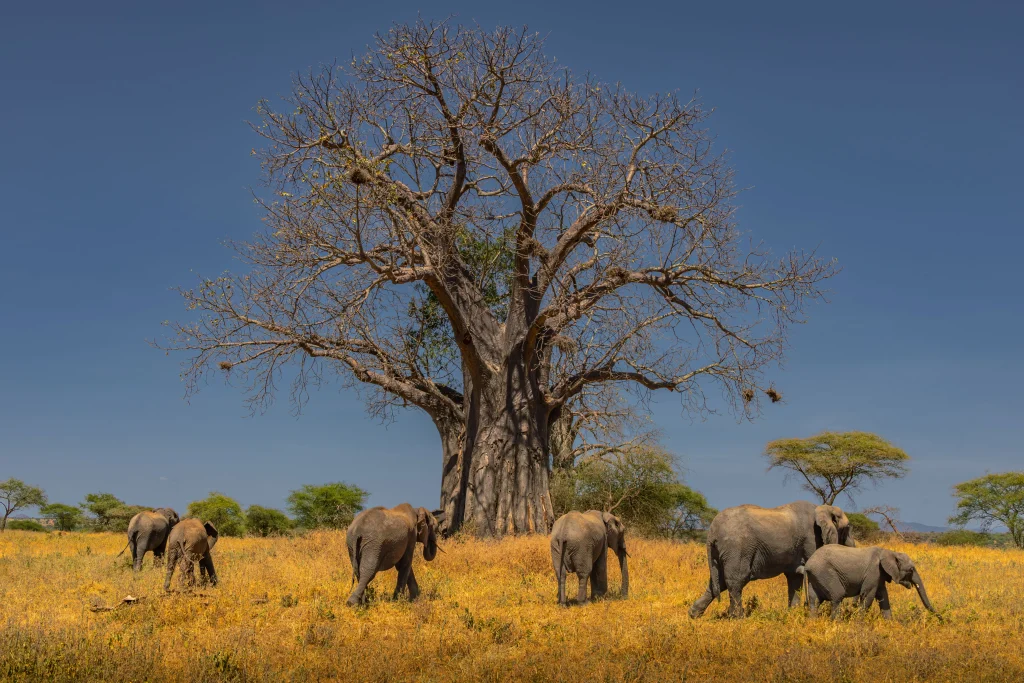
Choose parks with care. Tarangire costs $23.60 less per person per day than the Serengeti, and its elephants and baobabs justify the stop. Fees make up roughly 25% to 35% of a typical Tanzania safari bill, so each park-day you trim shows up in the total.
Check current tariffs on the TANAPA site and the Kenya Wildlife Service site before you pay, because both authorities revise their schedules.
Visas, yellow fever and other entry costs
Kenya and Tanzania issue separate entry permits, and a combined trip needs both.
- Kenya eTA: $30 for a single entry, applied for online before you fly through the official eTA portal.
- Tanzania visa: $50 for a single entry or $100 for multiple entry, through the official e-visa portal. Some operators report that US passport holders must buy the $100 version, so check your own passport on the portal.
- East Africa Tourist Visa: $100, but it does not cover Tanzania.
- Yellow fever certificate: Tanzania’s health ministry lists Kenya among the countries whose travellers must show proof of vaccination on arrival. Get the shot at least 10 days before you cross.
- Malaria prevention: The CDC recommends prescription medicine for parts of Tanzania, so see a doctor before you book.
Together the two permits cost $80 for most passports.
One routing trick saves $30. A single-entry Kenya eTA covers one entry, so returning to Kenya after Tanzania needs a second one. Fly into Nairobi and out of Kilimanjaro (JRO), and you skip it.
Three budget routes and what they cost
Each route below uses 2026 operator listings. Prices swing by date, group size and inclusions, so treat them as planning ranges.
Route 1: Kenya only, a 3-day Masai Mara group safari
This is the cheapest real safari in East Africa. A shared 4×4 leaves Nairobi, covers about 284 km in 5.5 to 6 hours, and gives you one full day of game drives plus an afternoon drive on arrival.
One budget listing with park fees included costs $408 per person from January to June and $635 from July to December, a 56% jump. Other 2026 listings start near $290 to $300. Ask first whether the Mara fee is included, because one operator lists $550 plus $200 in park fees.
Prefer elephants? Amboseli charges $90 a day and is the usual alternative to the Mara from Nairobi.
Route 2: Tanzania only, a 5-day northern circuit camping safari
The classic budget loop runs Arusha, Tarangire, two nights in the Serengeti, Ngorongoro Crater, then back to Arusha. Group camping departures list at about $1,080 to $1,750 per person in 2026. Dates from late July to September cluster between $1,400 and $1,750.
Confirm that the price covers park fees, camping fees and the $295 crater fee. Park fees alone reach $500 to $600 on a seven-day northern circuit, so check that a very low price still includes them.
Route 3: Kenya plus Tanzania, an 8 to 9 day combination
Safari vehicles generally can’t cross the border, so you pay for a vehicle and driver-guide in each country. Book two separate legs, or ask one operator to quote both.
Between legs, shuttle buses link Nairobi and Arusha through the Namanga border. The road covers about 273 km and takes roughly six hours with border clearance. Fares run about Ksh 2,500 to Ksh 4,000, or $20 to $30.
If you start in the Mara and end in the Serengeti, travellers cross at Isebania–Sirari and swap vehicles at the border.
Budget safari Kenya Tanzania: a 9-day trip, line by line
This sample trip joins Route 1 and Route 2 with a shuttle day in between: 3 days in the Mara, a transfer day, then 5 days on the northern circuit.
| Cost line (per person) | Jan–Jun | Jul–Dec |
|---|---|---|
| Kenya: 3-day Masai Mara group safari, park fees included | $408 | $635 |
| Nairobi to Arusha shuttle | $20–$30 | $20–$30 |
| Tanzania: 5-day group camping safari | $1,080–$1,710 | $1,400–$1,750 |
| Kenya eTA plus Tanzania visa | $80 | $80 |
| Tips at $10 a day for 8 safari days | $80 | $80 |
| Estimated total | $1,670–$2,310 | $2,220–$2,580 |
Add flights, hotel nights in Nairobi and Arusha, travel insurance and vaccines. US passport holders should add $50 for the multiple-entry Tanzania visa.
The Kenya leg alone costs $227 more after 30 June ($635 versus $408). If the Mara River crossings are not your priority, I would book it before July.
When to go: the cheapest months for a Kenya and Tanzania safari
The Mara fee halves from January to June. The same 3-day group safari costs $408 before July and $635 after. Plan the Kenya leg for the first half of the year if you can.
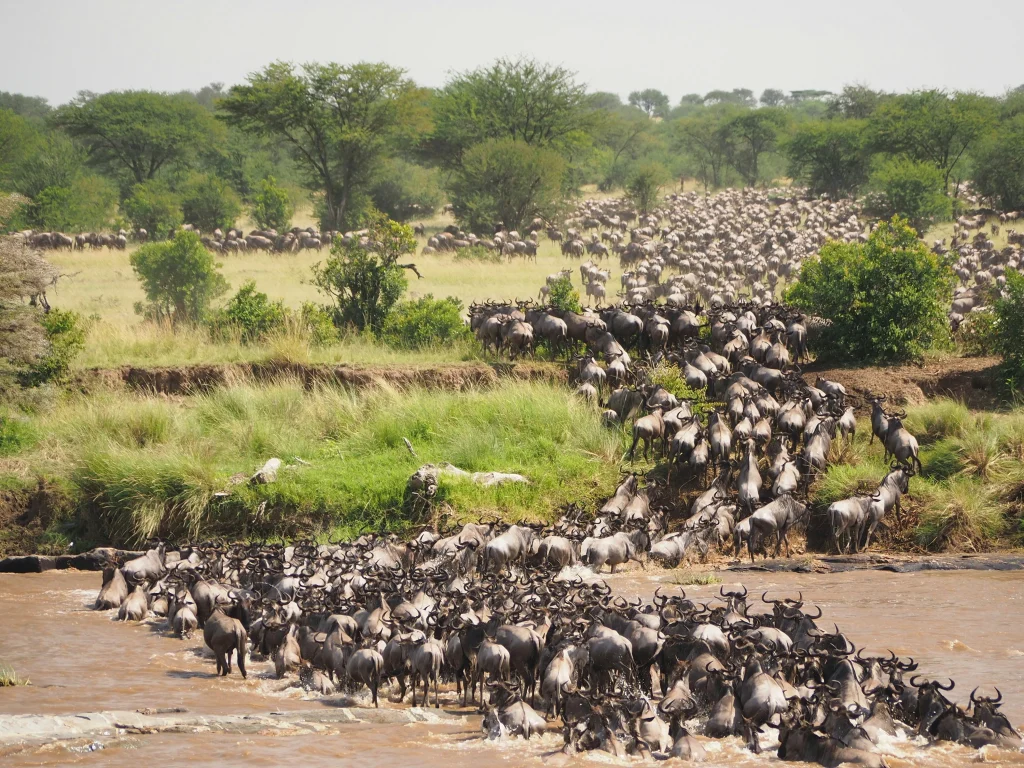
Calving season fills the southern Serengeti and Ndutu from January to March, and peaks in February. It overlaps with the cheaper Mara fee, so a February trip pairs calving drama in Tanzania with half-price Mara entry. Book early, because camps near Ndutu sell out months ahead.
The Mara River crossings run from July to October and peak in August and September. They also happen in the northern Serengeti, where entry costs $117.40 a day less than the Mara’s July–December rate. Ask operators to quote both sides if the crossings matter to you.
April and May bring the long rains. Prices drop, but roads turn muddy and game drives get cancelled. November’s short rains are a quieter value month.
8 ways to cut your safari bill
- Book the Kenya leg before July. The Mara fee halves from January to June, and group prices follow it down.
- Fill the vehicle. A private 4×4 with a guide costs about $250 to $275 a day in the Mara and about $300 a day in Tanzania. With four people, that is $63 to $69 each in Kenya and $75 each in Tanzania, before park fees.
- Trade a Serengeti day for a Tarangire day. You save $23.60 per person on entry.
- Watch the 24-hour clock. Fees run in 24-hour blocks, and overstaying in the Mara costs another day’s entry. Leave inside your permitted time.
- Fly open-jaw. Nairobi in and Kilimanjaro out saves a second $30 eTA and a day of backtracking.
- Skip add-ons you will not miss. A balloon ride costs about $450 to $600 per person, roughly two to three budget safari days at $200 a day.
- Compare quotes line by line. Ask whether the price includes the Mara fee, the crater fee, camping fees, concession fees and transfers. A low quote often leaves one of them out.
- Spend on the guide, not the bed. I would take a basic tent and an experienced driver-guide over a lodge and a rookie. Guides find the cats.
What a budget safari really feels like
Expect long days. Game drives start around 6 a.m., and the Mara road from Nairobi takes up to six hours. Camp beds are simple, bathrooms are often shared, and meals are plain.
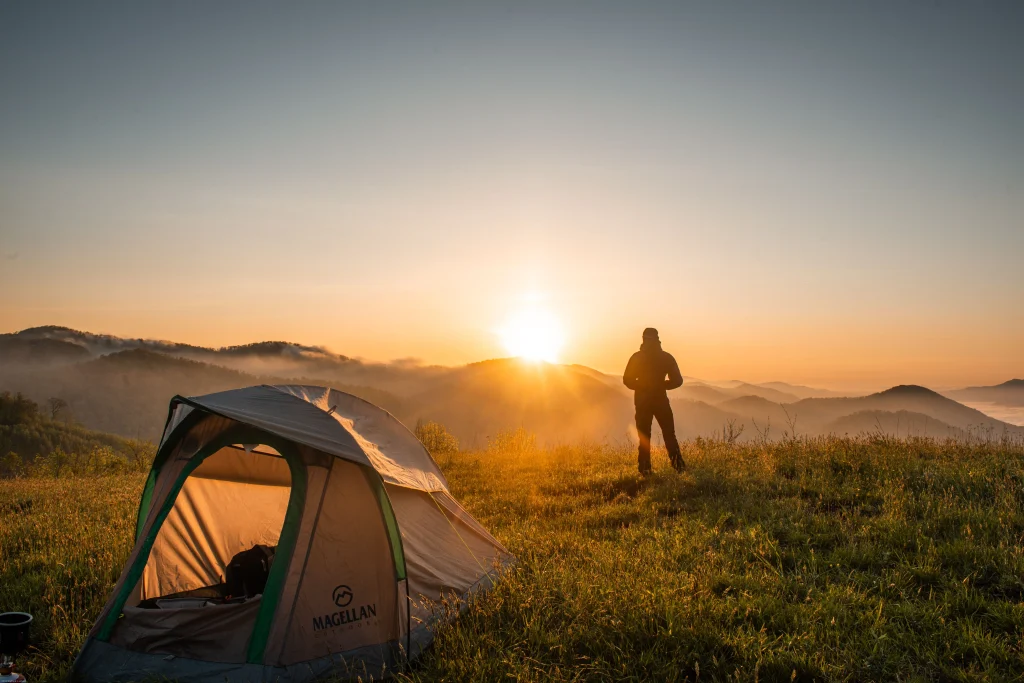
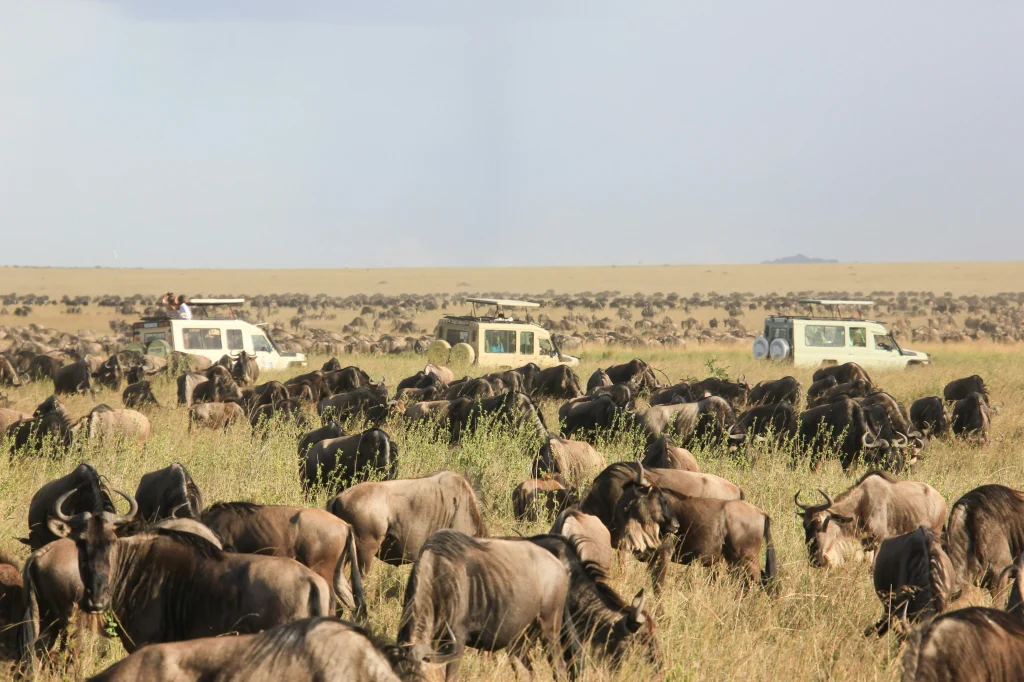
You do not give up the wildlife. A budget group sees the same Masai Mara and Serengeti as a luxury guest, from a shared 4×4 with a pop-up roof. Ask for a guaranteed window seat when you book.
Self-drive cuts guide fees, but it adds rental costs, rough roads and park rules to learn. I would skip it on a first trip.
Verdict: is a budget safari in Kenya and Tanzania worth it?
A budget safari in Kenya and Tanzania costs about $1,670 to $2,580 per person for nine days, before flights. Season moves that number more than any other choice. Book the Kenya leg for January to June, fill the vehicle, and pick parks by fee.
I would not shorten the trip to save money on a single park-day, because the Mara and the Serengeti are the point. Cut the extras instead.
Planning the rest of your Africa trip? Browse our Africa destination guides, or compare long-haul costs in our India budget travel guide.
Frequently asked questions
How much does a budget safari in Kenya and Tanzania cost in 2026?
Plan on $150 to $350 per person per day for a budget safari, land only. A 9-day Kenya and Tanzania combination costs roughly $1,670 to $2,310 per person from January to June and $2,220 to $2,580 from July to December, based on 2026 operator listings. Flights, city hotels and insurance cost extra.
Is Kenya or Tanzania cheaper for a safari?
Kenya is slightly cheaper on budget packages, about $300 versus $350 a day in one 2026 comparison. On park fees alone, the Masai Mara at $200 (July to December) costs more than the Serengeti at $82.60. Group size and season change the answer more than the country does.
What is the cheapest month for a Kenya and Tanzania safari?
January to June is cheapest for the Kenya leg, because the Masai Mara fee drops from $200 to $100 a day. March to May and November are the usual value months for lodges and camps. Expect rain and rough roads in April and May.
Do I need separate visas for Kenya and Tanzania?
Yes. Kenya requires an eTA, $30 for a single entry, and Tanzania requires its own visa, $50 for a single entry. The $100 East Africa Tourist Visa does not cover Tanzania. Apply only through the official government portals.
Do I need a yellow fever certificate for Tanzania?
Yes, if you arrive from Kenya. Tanzania lists Kenya among the countries whose travellers must show proof of vaccination, and the shot should be given at least 10 days before arrival. Carry the original certificate, and ask your doctor about malaria prevention too.
Can I see the Great Migration on a budget?
Yes, but timing sets the price. Mara River crossings run from July to October, when Kenyan fees and operator rates peak. Calving season in the southern Serengeti runs from January to March and overlaps with the cheaper Mara fee, so February is the best-value migration month.
Can I cross from Kenya to Tanzania in the same safari vehicle?
Usually not. Safari vehicles generally can’t cross the border, so you change vehicle and driver-guide on the other side. Plan for two driver-guides, or use a Nairobi–Arusha shuttle between the two legs.