
Every India budget travel guide opens with the same sentence: pick a number, any number, and India will make it work. Twenty dollars a day, thirty, fifteen if you’re reckless about it. All of it is technically true, and none of it tells you anything useful, because the number that matters isn’t a national average. It’s which half of the country you’re standing in.
A dorm bed in Hampi costs less than a coffee in Mumbai. A twelve-hour train that would cost you 80inEuropecosts4 here, if you book the right class, and $40 if you don’t know there’s a difference. That gap — between the traveller who reads the fine print and the one who doesn’t — is worth more to your budget than any destination choice you’ll make.
This guide gives you the real numbers, region by region, and the handful of decisions that separate a 20dayfroma45 one.
The One Number, If You Need It
$18–35 a day, all-in, for a backpacker who stays in dorms or basic guesthouses, eats where locals eat, and travels by train or bus rather than private car.
That range is wide on purpose. The low end is the Ganges plains, Rajasthan’s smaller towns, and most of South India outside the big cities. The high end is Mumbai, Delhi, Goa in December, and anywhere you decide a private room beats a dorm. Below, we break down exactly where that money goes — and where it doesn’t have to.
Why “India” Isn’t One Budget — It’s Four
Most India budget travel guides quote a single daily number and move on. That number is only honest if you stay in one kind of place. India’s cost of living swings harder by region than almost anywhere else backpackers go.
North India — the Golden Triangle & Rajasthan (Delhi, Agra, Jaipur, Udaipur, Jodhpur): The classic first-timer route, and moderately priced. Dorms run 5–9∗∗,afullthali(setmeal)is∗∗5–9∗∗,afullthali(setmeal)is∗∗1.50–3, and the Taj Mahal entry (₹1,300 / ~16∗∗forforeigners)isthesinglebiggestlineitemmosttravellershithere.Expect∗∗16∗∗forforeigners)isthesinglebiggestlineitemmosttravellershithere.Expect∗∗20–30/day.
The Ganges belt — Varanasi, Rishikesh, Pushkar: Some of the cheapest travel in the country. Guesthouses along the ghats go for 4–7∗∗,streetfoodisclosetofree,andthere′slittletospendmoneyonbeyondtheoccasionalyogaclassorGangaaartiboatride(∗∗4–7∗∗,streetfoodisclosetofree,andthere′slittletospendmoneyonbeyondtheoccasionalyogaclassorGangaaartiboatride(∗∗1–2). Realistic budget: $15–22/day.
South India — Kerala, Karnataka, Tamil Nadu, Hampi, Goa (off-season): Slightly pricier than the Ganges belt but still gentle. Backwater houseboat trips in Kerala are the one splurge worth budgeting for separately (25–40∗∗splitbetweenagroup,farmoresolo).Dorms∗∗25–40∗∗splitbetweenagroup,farmoresolo).Dorms∗∗6–10, thalis 1.50–2.50∗∗.Expect∗∗1.50–2.50∗∗.Expect∗∗20–28/day.
The big cities — Delhi, Mumbai, Bangalore: Where the “India is cheap” promise gets complicated. A dorm bed in Mumbai’s better hostels runs 12–20∗∗,andasit−downrestaurantmealcanhit∗∗12–20∗∗,andasit−downrestaurantmealcanhit∗∗8–12. If you’re only passing through en route somewhere else, budget $30–45/day and don’t linger longer than you need to.
Accommodation: What Your Money Actually Buys
Dorm beds: $4–12 depending on region, with hostels in Rishikesh, Varanasi, and Hampi at the bottom of that range and Mumbai/Goa-in-peak-season at the top.
Basic private rooms (fan, shared or attached bathroom): 8–18outsidethebigcities,20–35 in Mumbai, Delhi, or Goa during December–January peak season.
A note on ratings: Don’t judge an Indian guesthouse purely by star ratings on booking apps. A 3-star family-run guesthouse in a small town is often cleaner and friendlier than a “hostel” in a tourist hub. Read the last 10 reviews, not the aggregate score.
Food: The Best Value in Backpacking, Full Stop
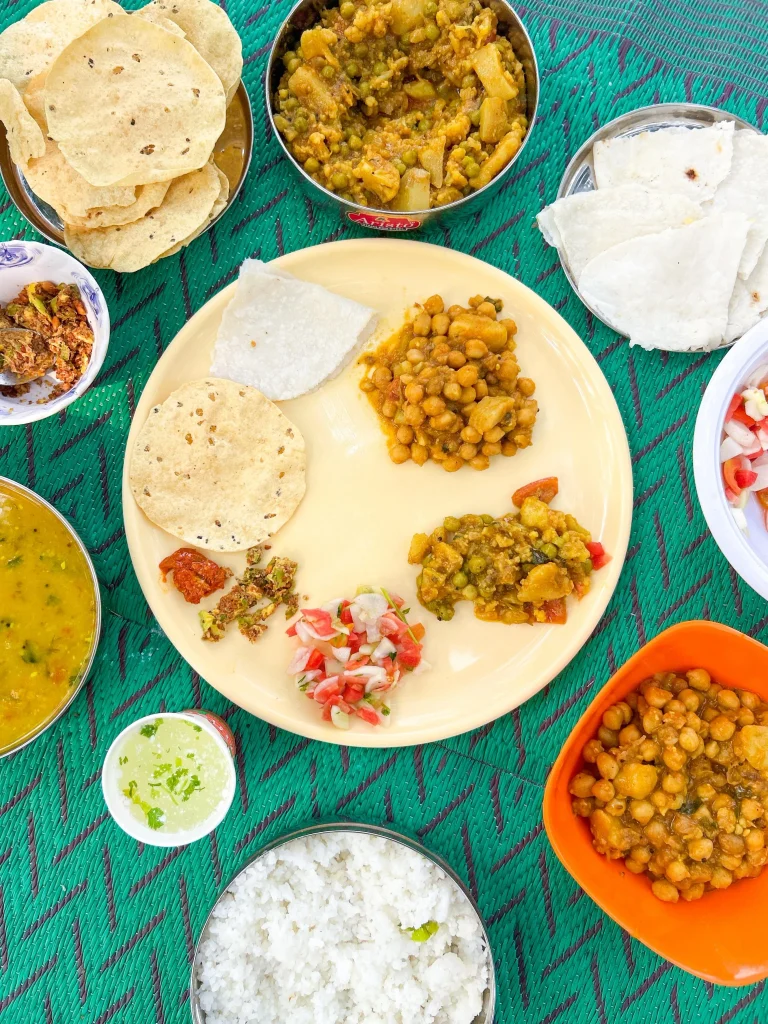
If one category makes India’s daily budget work, it’s food. A full thali — rice, dal, two or three vegetable dishes, bread, and often a sweet — costs $1.50–3 almost everywhere outside major cities, and it’s usually unlimited refills.
- Street food meal (chaat, dosa, vada pav): $0.50–1.50
- Chai from a street stall: $0.10–0.25
- Sit-down restaurant, mid-range: $3–6
- Bottled water (buy the sealed ones, always): $0.20–0.30
Budget 5–10adayforfood∗∗andyou′lleatextremelywell.TheonlyplacethatnumberclimbsisMumbaiandGoa′stouristrestaurants,whereaWestern−stylemealcanrun∗∗5–10adayforfood∗∗andyou′lleatextremelywell.TheonlyplacethatnumberclimbsisMumbaiandGoa′stouristrestaurants,whereaWestern−stylemealcanrun∗∗8–15.
Getting Around: Where the Real Savings Are
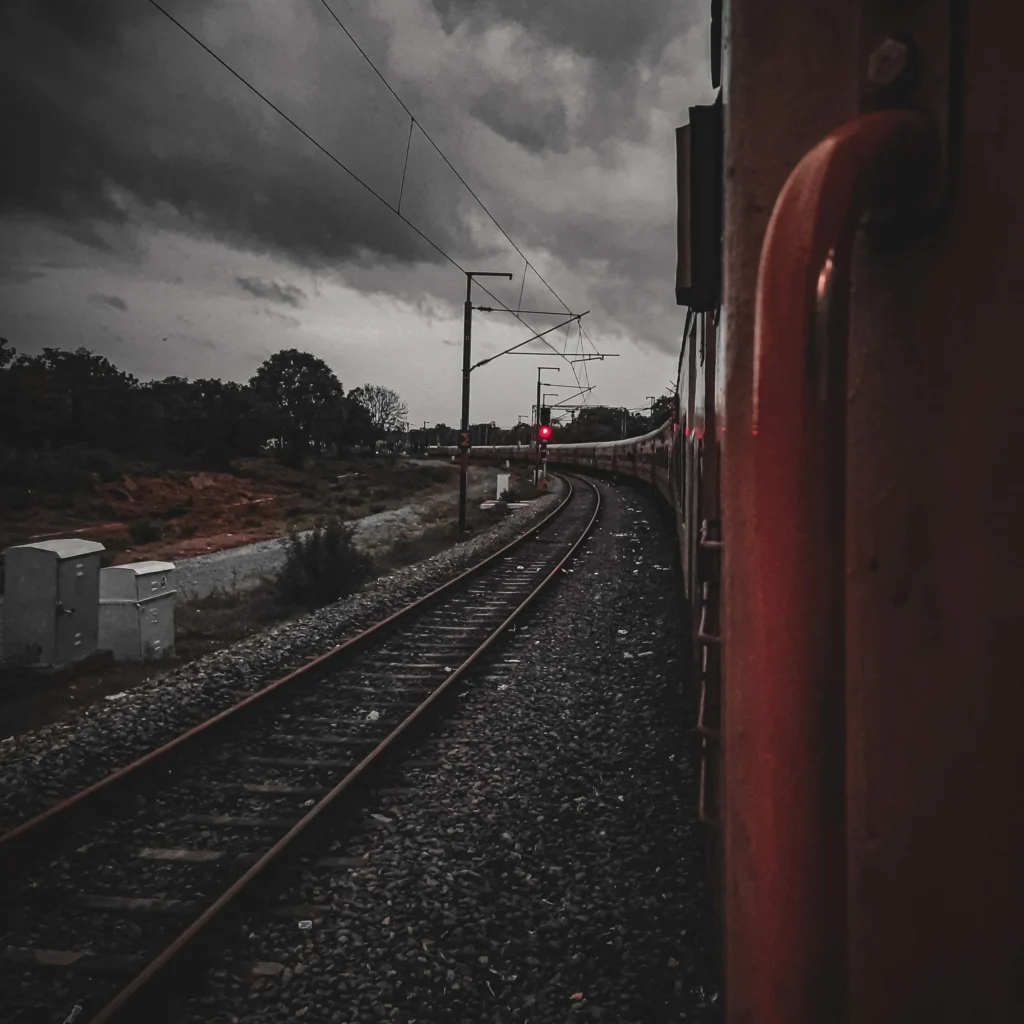
This is where an India budget travel guide either saves you money or costs you money, because the price difference between train classes is enormous and rarely explained clearly.
Trains — the backbone of budget India:
- Sleeper Class (SL), non-AC: the cheapest way to cover long distances. A 6–7 hour daytime journey can cost as little as $2–3.
- AC 3-Tier (3A): the sweet spot for overnight journeys — air-conditioned, bedding included, six berths per bay. Typically $8–15 for journeys of 12–17 hours.
- AC 2-Tier (2A): more privacy, roughly 1.5x the 3A price.
Book through IRCTC or a booking agent at least 1–2 weeks ahead for popular routes — the Foreign Tourist Quota exists specifically so overseas travellers aren’t shut out by last-minute demand.
Buses: Cheaper than trains for short hops between towns without rail links, and sleeper buses exist for overnight routes — expect $5–12 depending on distance and whether it’s AC.
Auto-rickshaws & local transport: Always confirm the fare (or insist on the meter) before getting in. In most tourist cities, a short ride should run $0.50–2. Ride apps like Uber or Ola remove the negotiation entirely and are barely more expensive.
The Visa, and What It Actually Costs
Most nationalities need an e-Tourist Visa, applied for online before arrival. As of 2026, pricing runs roughly:
- 30-day e-Tourist Visa: $10–25 depending on nationality and processing speed
- 1-year multiple entry: around $40
- 5-year multiple entry: around $80
Apply directly through India’s official e-visa portal — third-party sites that charge double the fee for “faster processing” are rarely worth it unless you’re applying within 72 hours of travel.
Money: Cash, Cards, and Avoiding the Small Leaks
India is increasingly UPI/QR-code driven, but foreign cards can’t use UPI, so cash and international debit cards still matter for travellers.
- ATMs are everywhere in cities and most tourist towns; carry a card with low or no foreign transaction fees, since your home bank’s fee — not an Indian-side charge — is usually where the real cost sits.
- Carry small notes. Rural shops, rickshaw drivers, and street stalls frequently can’t break a large note, and “no change” is a common (sometimes genuine, sometimes not) excuse for rounding up.
- Bargaining is normal in markets and with unmetered transport, but it’s not a competitive sport. Settling a price 10–20% below the opening ask is realistic; holding out for 50% off a $1 item wastes everyone’s time for pennies.
Best Time to Visit — Cost-Wise, Not Just Weather-Wise
November–February is peak season across most of India — best weather, highest prices, busiest hostels, especially in Goa, Rajasthan, and Kerala.
March–May brings real heat to the plains but genuinely lower prices, particularly in Rajasthan and the north. The hill stations (Himachal, Uttarakhand) become the better call instead.
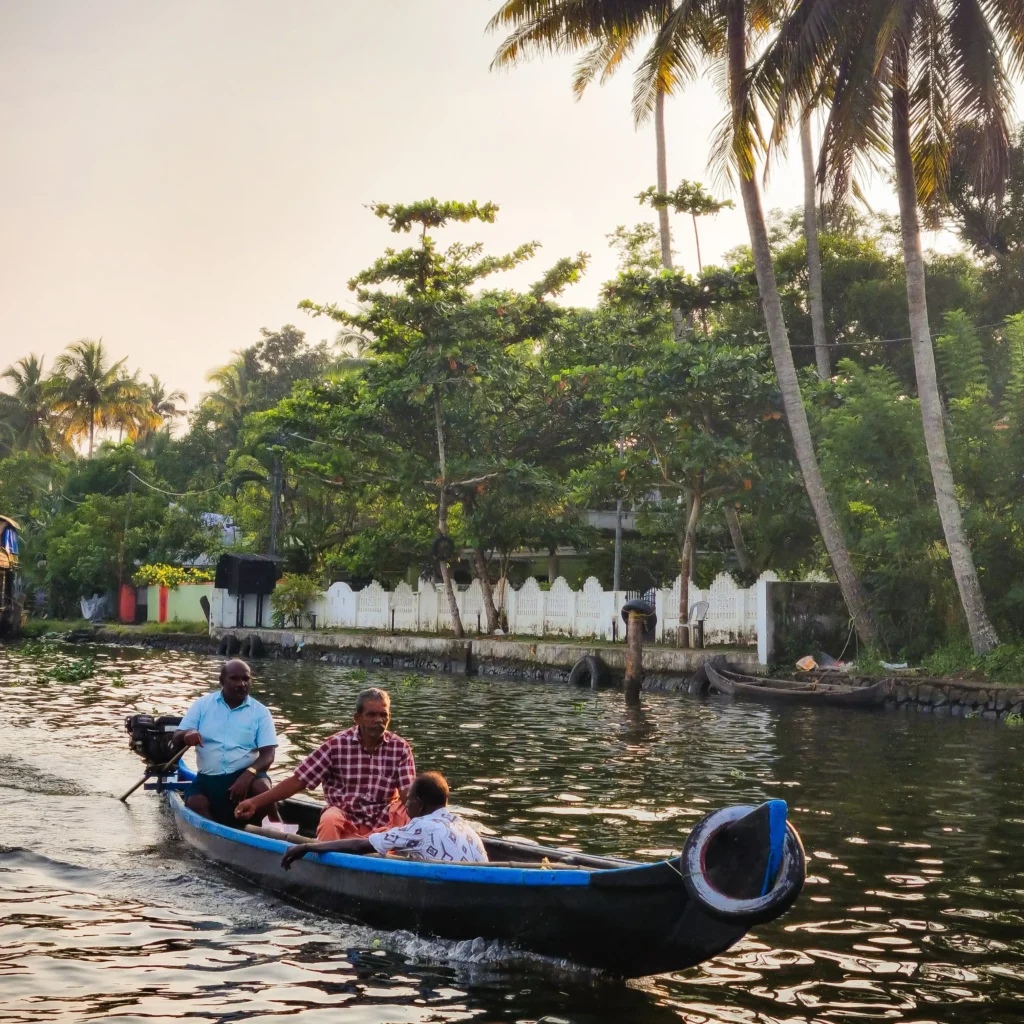
June–September is monsoon — the cheapest window by a wide margin, and far from a write-off. Kerala’s backwaters are arguably more beautiful under grey skies, and hostel prices in the off-season can drop 20–30% from peak.
If your budget is the priority over perfect weather, shoulder season (March or September–October) gives you most of the savings without the heaviest rain.
The Full Daily Budget, Two Ways
| Lean day | Comfortable day | |
|---|---|---|
| Dorm bed / basic private room | $6 | $14 |
| Food (3 meals + chai) | $5 | $9 |
| Local transport | $2 | $4 |
| Sightseeing / entry fees | $2 | $6 |
| Miscellaneous (SIM, water, small extras) | $2 | $4 |
| Daily total | ≈ $17 | ≈ $37 |
Over a two-week trip, that’s roughly 240ontheleanend∗∗and∗∗240ontheleanend∗∗and∗∗520 comfortable — before your international flight, visa, and travel insurance. Compare that to the $25–40 per day we mapped Thailand and India comes in noticeably cheaper across almost every category except the big-city stretch.
Common Ways This Budget Slips
- Skipping the Foreign Tourist Quota for trains and paying a tout instead. Same train, worse seat, sometimes triple the price.
- Not confirming rickshaw fares upfront. A 1ridebecomesa4 ride through sheer momentum once you’re already in the seat.
- Drinking unsealed water — beyond the health risk, it’s a false economy. Always check the seal on a bottle before you pay for it.
- Booking Mumbai or Delhi accommodation like it’s the rest of India. These two cities alone can blow a two-week budget if you don’t ringfence extra for them.
- Underestimating the Taj Mahal / major monument entry fees, which are priced for foreign tourists specifically and sit far above everything else you’ll pay that day.
Frequently Asked Questions
Is India cheap to visit in 2026? Yes — among the cheapest full countries a backpacker can visit, with a realistic daily budget of $18–35 depending on region and comfort level. It’s meaningfully cheaper than Thailand or Vietnam on accommodation and food, and far cheaper on long-distance transport if you use trains correctly.
How much money do I need for two weeks in India? Between 240and240and520 on the ground for a budget traveller, not including your international flight, visa, or insurance. The gap between those numbers comes almost entirely down to which cities you spend the most nights in.
Is South India or North India cheaper? Both are close, but the Ganges belt (Varanasi, Rishikesh, Pushkar) undercuts almost everywhere else in the country. South India runs slightly higher due to Kerala’s houseboat culture and Goa’s tourist pricing, but still well below the big metro cities.
Do I need cash or can I rely on cards? Carry both. Cities are increasingly card- and UPI-friendly, but small towns, rickshaws, and rural guesthouses often expect cash. ATMs are widely available; withdraw larger amounts less often to minimise per-transaction fees from your home bank.
Is India more affordable than Southeast Asia? Broadly yes, particularly on food and trains. It’s more comparable to Vietnam than to Thailand on daily cost, though India’s sheer size means transport days add up differently across a trip.
The India You Budget For, and the One You Get
The number on this page — 18to35 — is accurate, and also beside the point by about day four. What actually happens is you stop doing the maths on the thali because it’s 2andextraordinary,andyoustartdoingitontheovernighttraininstead,becausethat′stheonedecisionthatquietlydecideswhetheryourmonthinIndiacosts500 or $900.
Get the trains right. Everything else in this guide is details.
Planning Southeast Asia next? Our Thailand itinerary and Vietnam budget breakdown use the same day-by-day cost approach as this guide.
Pingback: Egypt Budget Travel Guide 2026: What Changed and What It Actually Costs - chictravelist.com
Pingback: Budget Safari Kenya Tanzania 2026: What It Really Costs - chictravelist.com